Scientific programme > Invited speakers
Keynote Speakers
|
Session: Interactions of environmental microbiomes with pollutants under climate change scenarios
|
|
|
|
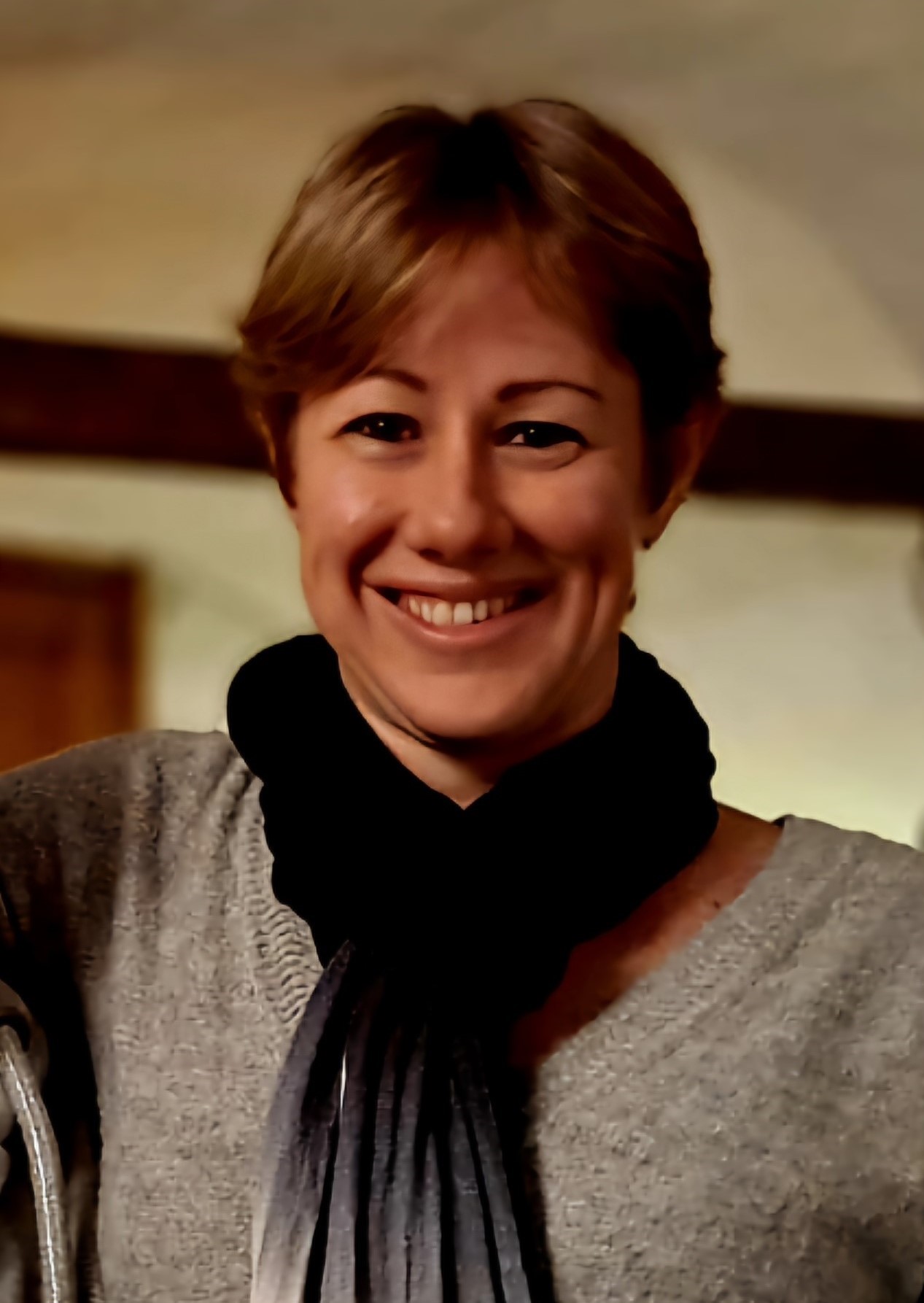
Prof. Joséphine Leflaive
|
|
|
Department of Biology and Geosciences, University of Toulouse
|
|
|
Joséphine Leflaive is a Professor in Microbial Ecology, Department of Biology and Geosciences, University of Toulouse. She is a former student of the Ecole Normale Supérieure from Paris, she has an MSc in Ecology of Continental Aquatic Ecosystems from the University of Toulouse and a PhD in allelopathic interactions within phototrophic biofilms by the same University. After having considered the role of chemical interactions in shaping benthic microbial communities, she focused on the response of those communities to environmental disturbances associated with global change. Her main research objective is to identify the factors that drive the resistance and resilience properties of microbial communities exposed to various stressors, including chemical contaminants. She considers both the structural and functional resistance/resilience of the heterotrophic and phototrophic components of biofilms, mostly in microcosms experiments. She also takes into account the role of biofilms as a resource in trophic networks. Over the past few years, she focused on the legacy effect of environmental conditions (e.g. temperature, stable vs fluctuating environment, drought) on microbial communities’ ability to cope with and recover from disturbances. Her research includes single but also multiple disturbances, either simultaneous or sequential. Dr Leflaive has been the author of 51 papers in peer reviewed journals, and has coordinated several projects funded by national funding bodies and private partners.
Orcid Number: https://orcid.org/0000-0003-3605-349X
|
|
|
Session: Microbial degradation/detoxification of pollutants and bioremediation applications
|
|
|
|
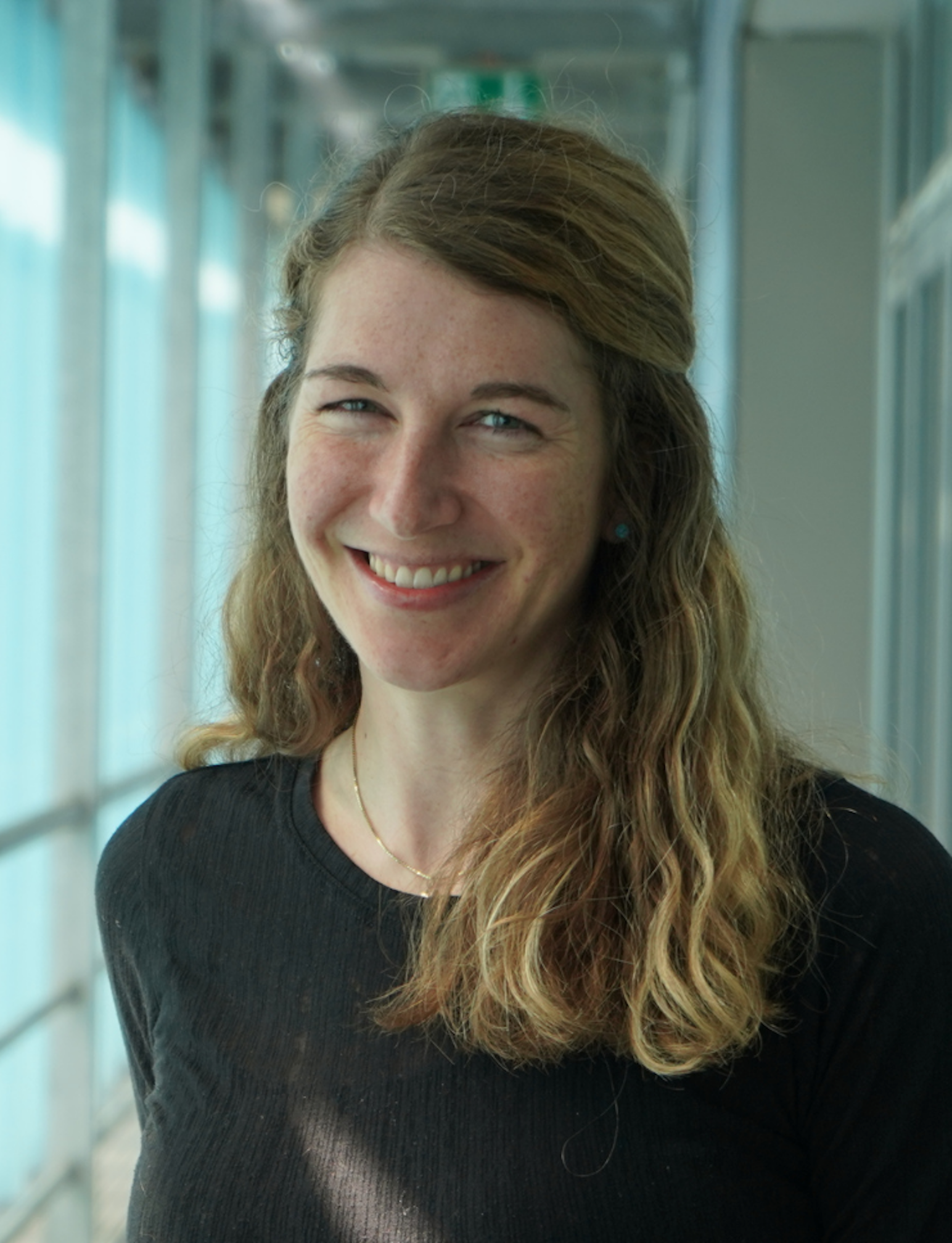
Dr. Serina L. Robinson
|
|
|
Swiss Federal Institute of Aquatic Science and Technology (Eawag)
|
|
|
Serina L. Robinson is a Group Leader at the Swiss Federal Institute of Aquatic Science and Technology (Eawag) and will start as an Assistant Professor at ETH Zürich in April 2026. She earned her PhD in Microbiology and MSc in Bioinformatics and Computational Biology from the University of Minnesota under the guidance of Prof. Dr. Larry Wackett. Previously, she was a U.S.– Norway Fulbright fellow and later an ETH Zürich postdoctoral fellow before starting her independent research group. Her group’s research integrates experimental work with computational modeling to predict how enzymes transform industrial chemicals, pharmaceuticals, and agrochemicals. A primary focus of her group is the interaction between biological systems and per- and polyfluoroalkyl substances (PFAS). By leveraging machine learning and protein engineering, her group investigates how microbial enzymes can cleave persistent carbon-fluorine bonds to develop biotechnological solutions for pollutant detection and removal. Her scientific work has been recognized by an ERC Starting Grant (2025), an SNSF Ambizione Grant (2022), and the American Chemical Society’s “Rising Stars in Environmental Research” award (2024).
OrcID: 0000-0001-6947-7913
|
|
|
Session: Assessment of the impact of pollutants on microbial diversity and functioning
|
|
|
|
Dr. Emilie Muller
|
|
|
CNRS, University of Strasbourg
|
|
|
Emilie E.L. Muller is a researcher at the French CNRS in the team “Adaptations and interactions of microbes in the Environment”in Strasbourg. She is interested in the functional ecology of microbial communities in the Anthropocene. Her research focuses on multi-scale microbial ecophysiology and the metabolism of legacy pollutants and pollutants of emerging concern, from single cells to complex communities and from laboratory models to field studies. Her work aims to elucidate how microorganisms interact and adapt in response to disturbances, with a focus in microbial dehalogenation, notably through the concept of niche breadth structuring of microbial communities.
OrcID: https://orcid.org/0000-0002-3750-2966
|
|
|
Session: Antimicrobial Resistance: An emerging concern with growing consequences
|
|
|
|
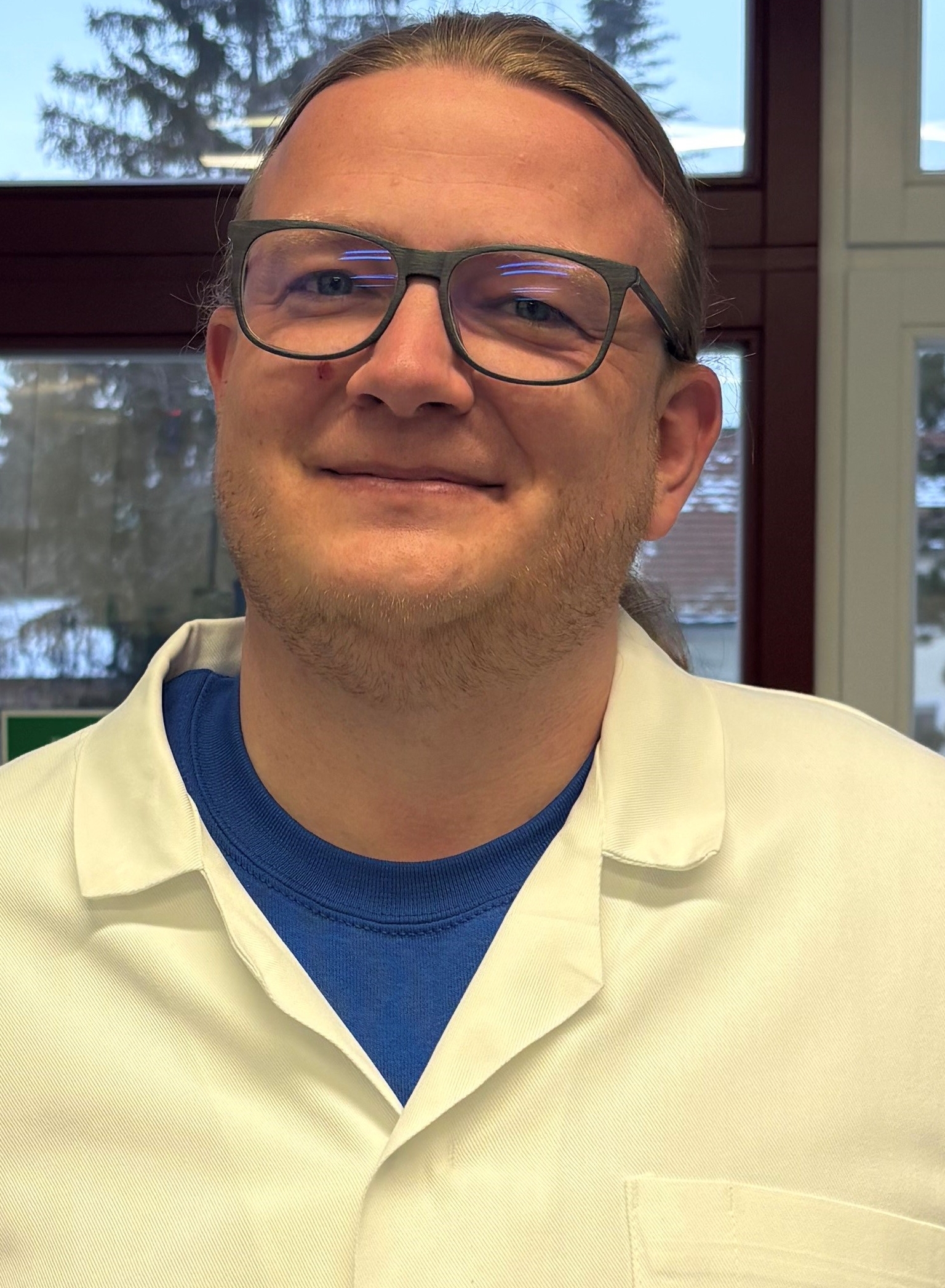
Dr. Uli Klümper
|
|
|
Institute of Hydrobiology, Dresden
|
|
|
Dr. Uli Klümper is a microbial ecologist at the Institute of Hydrobiology, Technische Universität Dresden, Germany. His research focuses on understanding the ecological and evolutionary processes that govern the emergence and spread of antimicrobial resistance in environmental systems. He investigates how antibiotic resistance genes and mobile genetic elements persist, transfer, and are selected within complex microbial communities, and which environmental stressors drive these dynamics. To address these questions, his group develops and applies advanced microbiological and molecular tools to quantify horizontal gene transfer and resistance gene mobility in situ. A further focus of his work is the translation of environmental AMR data into risk assessment frameworks, including the development of ecology-based approaches to derive predicted no-effect concentrations (PNECs) for antibiotics that minimize resistance selection in natural ecosystems. He also works on improving environmental AMR surveillance strategies by integrating gene mobility and host association data as quantitative risk factors. Dr. Klümper served on the scientific advisory board of the German One Health Platform and collaborates closely with the German Environment Agency (Umweltbundesamt) to inform evidence-based thresholds and monitoring frameworks for antibiotic pollution.
OrcID: https://orcid.org/0000-0002-4169-6548
|
|
|
Session: FREE Pharm-ERA Side Event
|
|
|
|
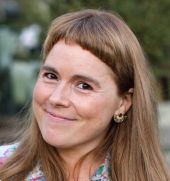
Victoria Osorio Torrens
|
|
|
Institute of Environmental Assessment and Water Research, Spain
|
|
|
Dr. Victoria Osorio holds a PhD in Environmental Analytical Chemistry and has established expertise in the environmental fate, transformation, and effects of complex mixtures of anthropogenic organic micropollutants, including pharmaceuticals, pesticides, and their metabolites and transformation products in aquatic systems. She currently leads a research line integrating advanced analytical chemistry with effect-based methods (EBMs), including Effect-Directed Analysis, to assess environmental quality and evaluate the risks posed by complex chemical mixtures. Her work aims to disentangle cause–effect relationships, identify key toxicants in aquatic ecosystems, and clarify their implications for environmental and human health. Her research advances methodological frameworks for mixture toxicity assessment in aquatic environments by combining chemical profiling—through (non)target and suspect screening workflows based on high-resolution mass spectrometry (HRMS)—with bioassays and New Approach Methodologies (NAMs). She investigates effects across multiple levels of biological organization, from cells (e.g., CALUX assays and unicellular microalgae) to whole organisms (zebrafish eleutheroembryos) and microbial communities (fluvial biofilms) and integrates omics approaches (transcriptomics and metabolomics) to characterize molecular responses, identify disrupted pathways, and discover biomarkers for high-throughput toxicity screening.
OrcID: https://orcid.org/0000-0002-3500-674X
|
|
|
Session: Potential interactions of nature-based solutions (i.e. biopesticides, biological nitrification inhibitors) and natural toxins with environmental microbiomes
|
|
|
|
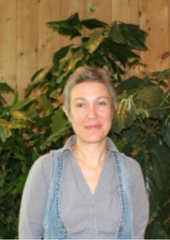
Dr. Paolina Garbeva
|
|
|
Department of Microbial Ecology, Institute of Ecology (NIOO-KNAW), The Netherlands
|
|
|
Paolina Garbeva, PhD is a Senior Scientist and Research Group Leader at the Department of Microbial Ecology at the Netherlands Institute of Ecology (NIOO-KNAW). She is also Professor of Plant Microbiome Systems at the Faculty of Science and Engineering, Systems Earth Science, Maastricht University.
She obtained her PhD from Leiden University, the Netherlands, in 2005. Her research focuses on the fundamental mechanisms underlying microbe–microbe and plant–microbe interactions, with particular emphasis on the role of microbial volatile compounds in mediating ecological interactions. She has extensive expertise in microbial chemical ecology, plant–microbe interactions, microbial secondary metabolites, and soil suppressiveness.
More recently, her research has expanded to investigate the impact of microplastic pollution (including conventional and biodegradable plastic films) on soil–plant systems. This work examines how microplastics influence plant growth, rhizosphere microbial activity and belowground plant–microbe interactions.
OrcID : 0000-0002-2359-5719
|
|
|
Session: Microbes, pollutants and Bioprocess Engineering
|
|
|
|
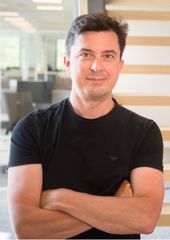
Prof. Dr. Ir. Korneel Rabaey
|
|
|
Department of Biotechnology, Ghent University, Belgium
|
|
|
Korneel Rabaey is a professor at the Department of Biotechnology at Ghent University as well as honorary professor at The University of Queensland and visiting professor at Xi’an Jiaotong university. He is one of the founders of CAPTURE (www.capture-resources.be ), a centre focusing on resource recovery in the fields of Water, Carbon Capture and Utilization and Plastics to Resource. He is founder of HYDROHM (www.hydrohm.com ), a company focusing on electrification in the water sector. Typically, a combination of electrochemical and/or microbial approaches is used to achieve formation of added value products. He is the author or co-author of over 300 refereed articles attracting over 50000 citations, listing him as an ISI Highly Cited Researcher. He is Fellow of the International Water Association and was laureate of the Royal Academy (Belgium) in 2016. He is executive editor in chief of Environmental Science & Ecotechnology.
Orcid Number: 0000-0001-8738-7778
|
|
|

 Loading...